When is the best time to trim hedges in Canterbury?
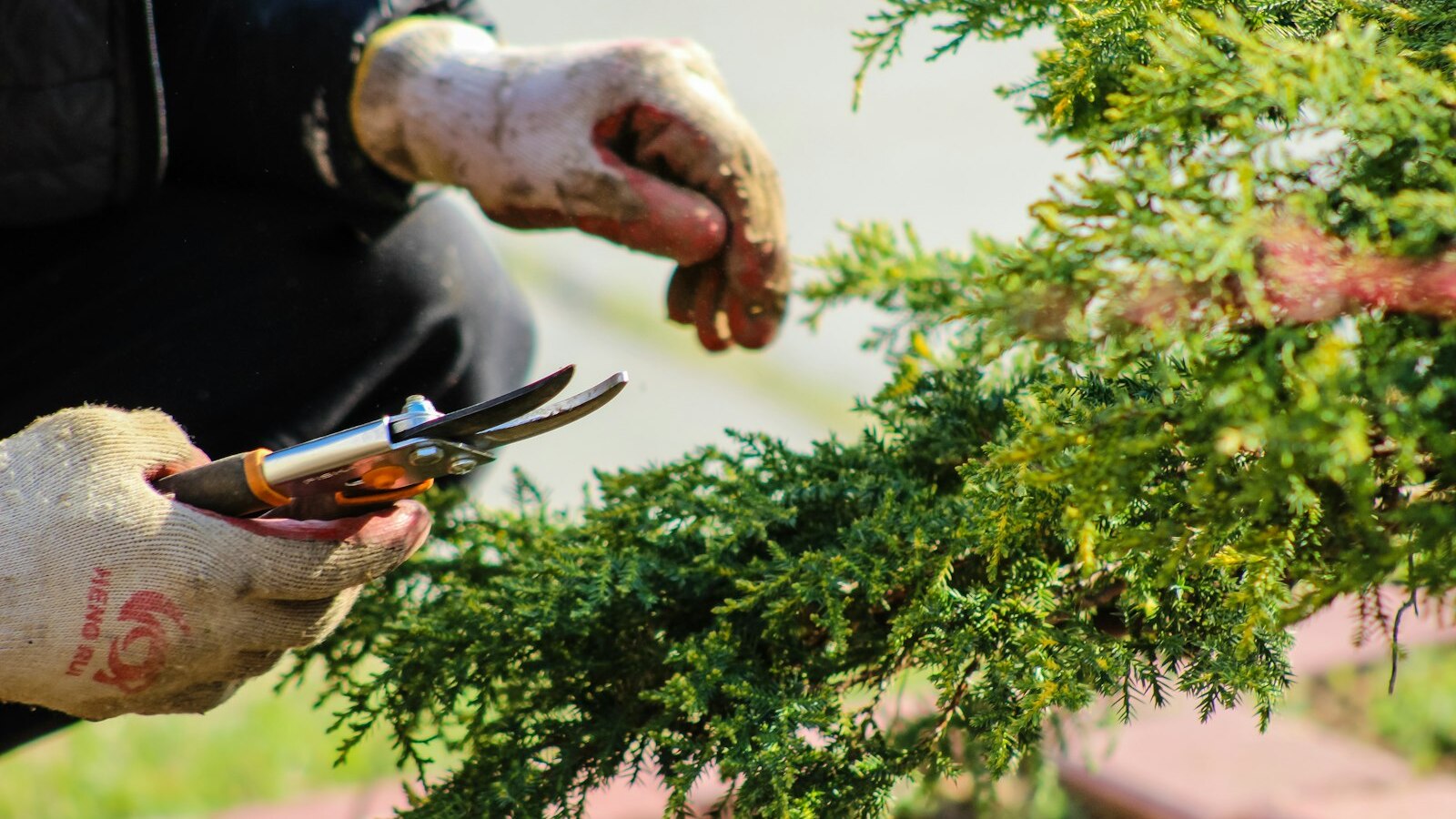
The biggest mistake Kiwi homeowners make with hedges is leaving them alone all year, then giving them one brutal haircut. Hedges trimmed that way go bare at the base, thin on top and take months to forgive you. Light, regular shaping grows a denser, healthier hedge with far less drama.
Late spring: the main shaping cut
For fast growers like pittosporum, griselinia and laurel, the first flush of spring growth is the signal. Trimming in late spring — once the birds have finished nesting and new growth has hardened a little — shapes the hedge just as it has the energy to fill back in densely.
Late summer: the tidy-up
A second, lighter pass in late summer keeps fast hedges crisp through autumn and stops them going wild before winter. Take less off than in spring; you're maintaining the line, not redefining it.
What about conifers and natives?
Conifer hedging needs a gentler hand — never cut back past green growth into bare wood, because most conifers won't resprout from old wood. Slow-growing natives are usually happy with a single careful annual trim. When in doubt, trim little and often rather than a lot and rarely.
The short version
Shape in late spring, tidy in late summer, respect conifers. If your hedges have already won the battle, our hedge trimming service can bring them back into line on a weekday visit — trimmings tidied away included.